

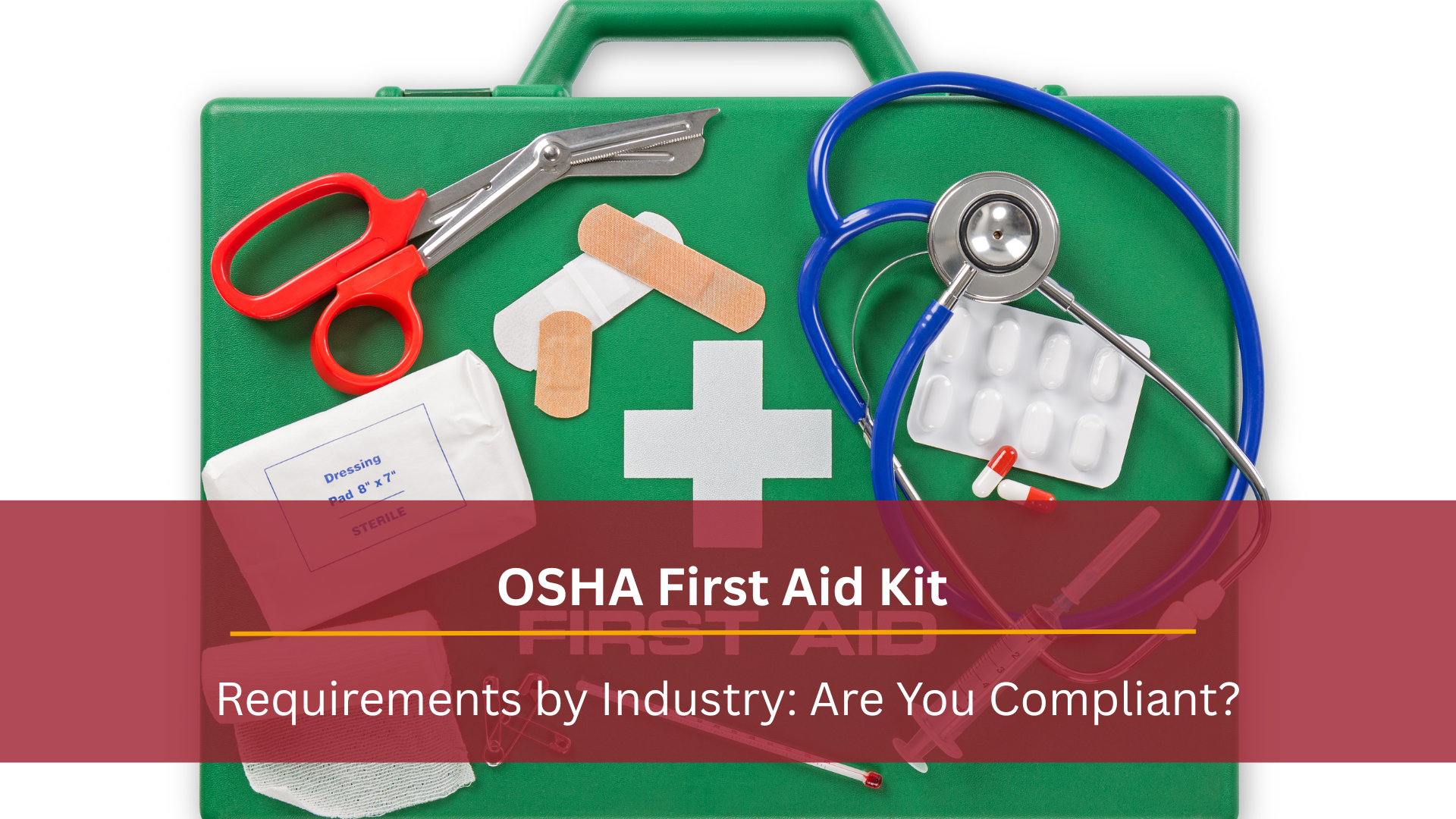
Keeping people safe at work is not optional. OSHA requires employers to provide first aid supplies that match the risks of their industry, the size of their workforce, and the conditions of the job site. Many facilities buy a single kit, hang it on a wall, and assume the job is done. Real compliance is more detailed. It means having the right supplies, storing them correctly, inspecting them often, and restocking them before they expire or run out.
Ace ImageWear has been supporting Kansas City businesses for three generations. We provide on-site first aid cabinet inspections, inventory restock programs, and tracking tools that help companies stay compliant without adding more tasks to already busy supervisors. If you are reviewing safety vendors or updating your compliance checklist, this guide breaks down what matters most.
OSHA’s Core Rule for First Aid Supplies
OSHA’s first aid standard comes from 1910.151(b), which states that employers must ensure medical personnel are available for advice and treatment, and that adequate first aid supplies are readily accessible. In simple terms, your kits must match the work being done and the people doing it.
Compliance must include:
- Supplies that fit your hazards
- Access for every shift
- Regular inspection and restock
- Protection from contamination, moisture, or heat
- A clear process for expired or damaged items
Ace ImageWear’s First Aid Service is built to meet these expectations with local Kansas City support, documented inspections, and real accountability at the supply level.
Industry-Specific Requirements You Should Know
Manufacturing environments involve moving machinery, sharp materials, repetitive motion injuries, and forklift traffic. First aid kits must cover a wide range of possible incidents.
Common required supplies for manufacturing:
- Large and small bandages
- Sterile gauze pads
- Adhesive tape
- Burn treatment gel or burn dressings
- Eye wash and eye pads
- Hand protection for first-aid response
- Scissors, tweezers, and trauma tools
- Blood-spill clean-up packs
Because manufacturing floors run multiple shifts, kits must be available at more than one station. If a kit is locked in a supervisor’s office, it does not meet access standards for every worker on every shift.
Construction Worksites
Construction has elevated risks including falls, puncture injuries, heavy load strain, open-air conditions, and seasonal weather extremes. Kits must be mobile or mounted in safe, reachable areas on site.
Construction kits often need:
- Weather-protected cabinets
- Trauma-grade bandages
- Splints or strain wraps
- Heavy-duty adhesive bandages that hold under dust and sweat
- Eye-flush solutions for debris exposure
- Hydration and cooling supplies during hot months
- Cold-compress packs for strains
Kansas City construction routes benefit from local planning. We know where crews stage materials, when job trailers move, and how to schedule inspections without interrupting active builds.
Food Processing Operations
Food warehouses and processing lines require strict hygiene. Kits must be stored in clean areas and kept contamination-safe.
Important compliance rules for food processing:
- Blue detectable bandages (preferred)
- Sealed cabinets or first-aid drawers
- Gloves for safe application
- Alcohol-free antiseptics when required
- Frequent restock cycles because uniforms and towels soil fast, and first aid gets used more often
- Proper disposal paths for used supplies
A missing bandage in a food environment is not just a safety gap, it is a compliance gap. Expired items must be replaced immediately.
Automotive and Industrial Warehouses
Automotive shops, parts warehouses, and distribution centers manage oil soil, chemical exposure, cuts, and floor slip hazards. Kits must support both trauma and chemical safety response.
Automotive kits frequently include:
- Chemical-safe gloves
- Cut-resistant bandages
- Eye-flush solutions
- Burn treatment
- Absorbent clean-up packs for spills
- Hand-tool trauma support
- Nearby supply cabinets protected from machine soil
Ace ImageWear supports Kansas City warehouses and automotive facilities with OSHA-aligned inspection cycles that validate inventory at every visit.
How Accountability Affects Compliance
A kit that meets OSHA First Aid Kit Requirements must also be provable. During inspections, the most common problems we see are missing documentation, expired inventory, or kits that do not match hazards.
A compliant vendor should provide:
- Inspection logs
- Clear restock records
- Expiration monitoring
- Supply-level accountability
At Ace ImageWear, our team scans cabinets on site, restocks based on actual usage, and provides reporting that helps you prove compliance during audits or internal safety reviews.
KC Conditions That Affect Your First Aid Strategy
Kansas City facilities deal with seasonal heat, dock humidity, winter dryness, dust from industrial freight, and high foot traffic in staging areas. These conditions impact how often first aid is used and how supplies must be protected.
Local considerations include:
- More than one kit for high-headcount warehouses
- Cabinets placed away from moisture exposure
- Kits accessible on every shift
- Heat-season supplies rotated faster
- Cold-season trauma wraps and compress packs monitored weekly
- Cabinets stored near safety textiles such as mats, towels, and PPE
Local service is not a marketing phrase for us. It is a logistics advantage that keeps compliance realistic and provable.
Work With a Local OSHA First Aid Service That Makes Sense
Ace ImageWear has been supporting industrial facilities and warehouses in Kansas City, Missouri for generations. We combine supply inspections, inventory accountability, and local routing to help you stay compliant without the frustration of manual counts, late restocks, or expired supplies sitting unnoticed.
If your business wants on-site first aid cabinet inspections and restock cycles that align with OSHA First Aid Kit Requirements, contact us through our website today. We review your hazards, your workforce size, your shift coverage, and your layout, then build a program that fits the reality of Kansas City industrial work.
We help Kansas City businesses stay safe and audit-ready because we live and work here. That is what we do.